Structural Analysis for Manuscripts, Codes, and Symbolic Systems
Sigilith Structural Analysis provides paid structural analysis for manuscripts, coded notes, symbolic systems, and unusual visual artifacts. Using the Sigilith method, I map stability, drift, contradiction, regime structure, and collapse behaviour without relying on translation.and clarity.
What I Analyse
Rigorous structural analysis for manuscripts, coded notes, symbolic systems, and unusual visual artifacts.
Services and Pricing
Mini Analysis — £125
1 submitted page, image set, or short symbolic sequence
2–3 page PDF report
3–5 working days
Standard Analysis — £350
Small corpus or set of pages
5–8 page PDF report
Figures and regime breakdown
Optional walkthrough
5–7 working days
Deep Case Study — from £900
Larger corpus or custom project
Full structural dossier
Figures, interpretation, and walkthrough

Published Case Studies
Voynich Manuscript, Liber Linteus, Phaistos Disc, Rohonc Codex, Turin Papyrus, and related symbolic systems
Method Development
Published methodological and applied case-study work defining the Sigilith framework
Independent Research Practice
Remote UK-based structural analysis for symbolic material
Core Features of the Sigilith Method
Rigorous structural analysis for manuscripts, coded notes, symbolic systems, and unusual visual artifacts.

Stability & Drift Mapping
Identifies where symbolic structures remain stable and where they begin to shift, fragment, or reorganise.

Regime Structure Identification
Maps behavioural states within symbolic material, showing how internal organisation changes across a system..
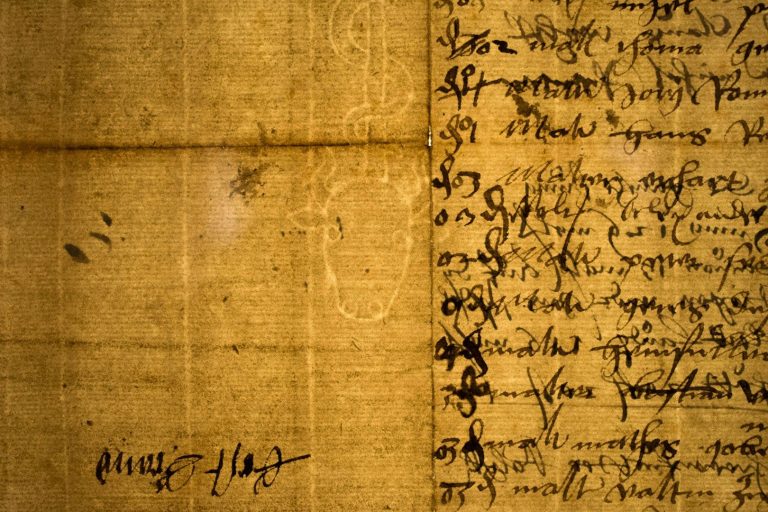
Contradiction Detection
Highlights internal inconsistencies and structural tensions that may reveal competing rules or breakdown points.

Collapse Behaviour Analysis
Examines how symbolic systems destabilise, compress, or transform under internal strain.